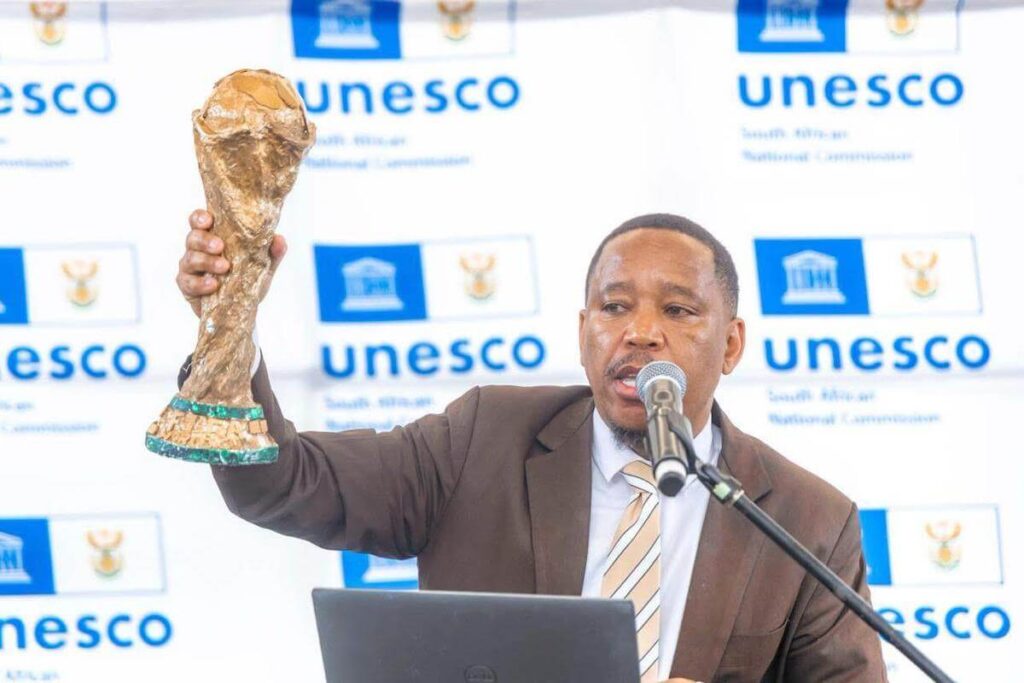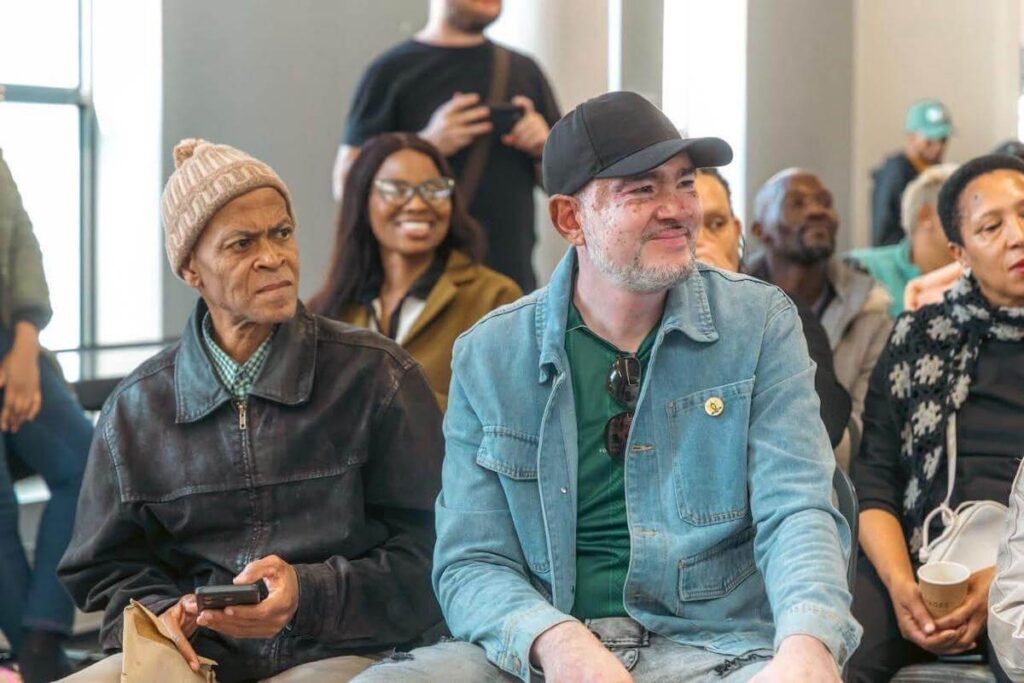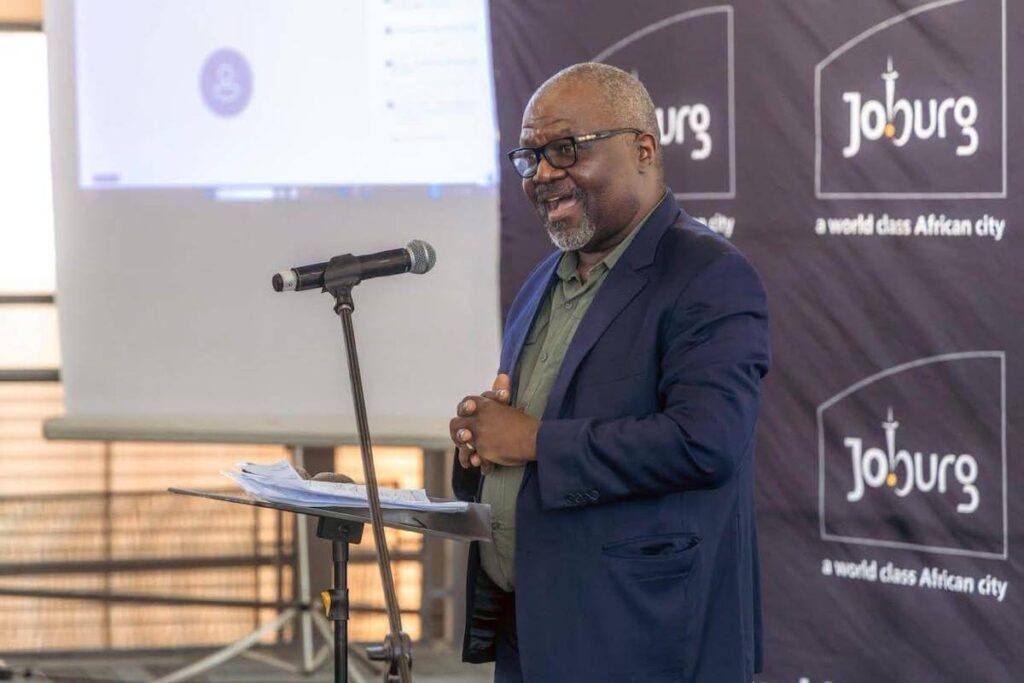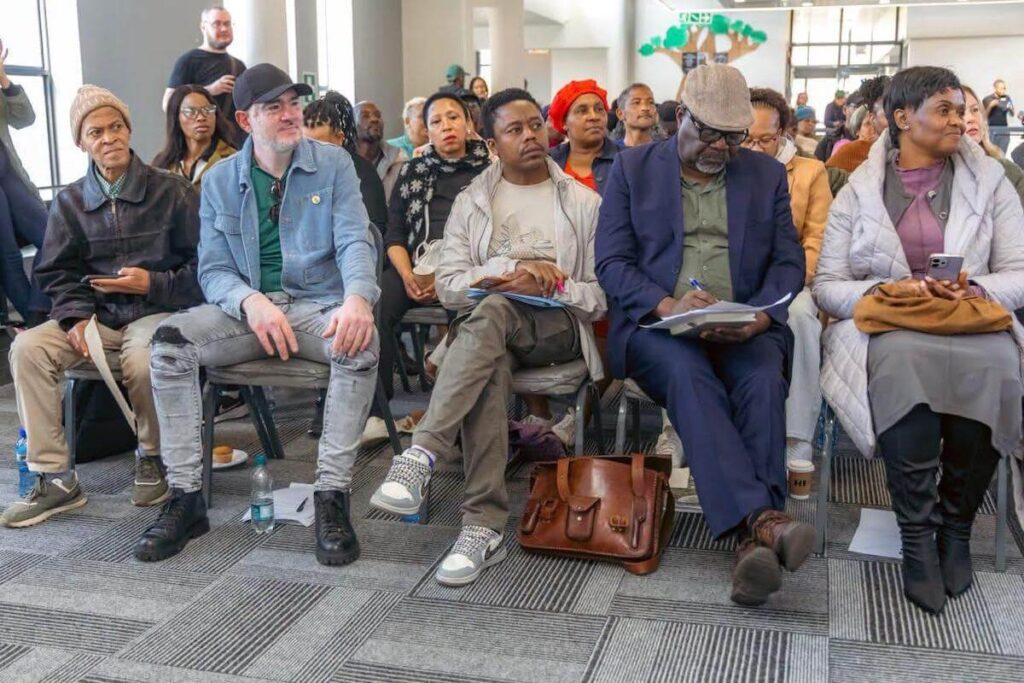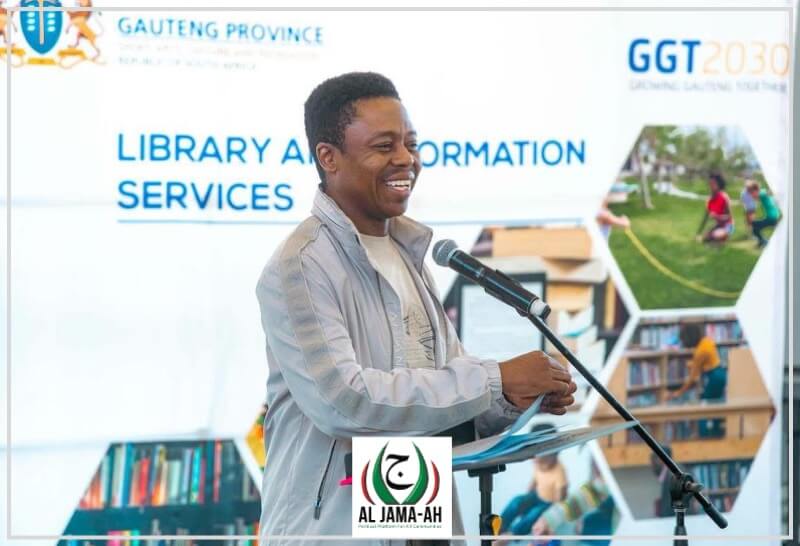
Al Jama-ah Cllr Thapelo Amad, member of the mayoral committee in Johannesburg on the 26th of June 2026 has marked a significant milestone for the City of Johannesburg.
Johannesburg was recognized as a UNESCO Media and Information Literacy City.
Cllr Thapelo Amad and the city celebrates this occasion, and the international community joining in person and online. They were welcomed by the UNESCO office in South Africa, represented by Professor Nepfumdada.
- The president of the librarians’ Association in South Africa, LIASA Mr. Molepo, representing librarians from all over the country.
- The City of Joburg partner JoziMyJozi represents different stakeholders such as business, NGOs, universities, schools, and communities
- University of Johannesburg is represented by Professor Govenden, who is the UNESCO Chair for Digital Inclusion and the Executive Director for University of Johannesburg Libraries Dr. Sibuyi.
This achievement, in its pilot stage, is not just about global recognition. It is about communities and ensuring that every resident of Johannesburg has the tools, skills, and opportunities to participate meaningfully in today’s information-driven society.
As the MMC for Community Development, he is proud that this recognition places our communities at the centre of development. Johannesburg is not only a leading African city—it is a city of diverse communities, each with unique needs and challenges.
Cllr Amad said: Through our participation in UNESCO networks, we strengthen our position in the international community while ensuring that global knowledge translates into local impact.
This milestone directly supports our vision under the Joburg 2040 Growth and Development Strategy and our Integrated Development Plan (IDP).
As Community Development, our mandate is to build strong, inclusive, and empowered communities.
Through our libraries, community centres, and social cohesion-focused programmes, we are driving transformation at a grassroots level:
Media and Information Literacy is crucial for this kind of work by various departments, to have an impact and contribute to building safer and more resilient communities.
When people are informed and empowered, they identify misinformation, engage responsibly, and contribute to safer neighbourhoods. Through collaboration with Public Safety, Social development, and other departments, we ensure that information becomes a tool for crime prevention and social cohesion.
We also recognise that strong, informed communities contribute to a vibrant, attractive and liveable city.
A connected and empowered city attracts investment, visitors, and tourism—positioning Johannesburg as socially dynamic and globally competitive.
Ladies and gentlemen, the value of UNESCO networks and international relations lies in their ability to connect local action with global progress. They ensure that our programmes remain innovative, relevant, and aligned with global standards while rooted in our communities.
In closing, this recognition is both an honour and a responsibility. A responsibility to ensure that no community is left behind, to use information as a tool for empowerment, and to build a Johannesburg where every resident has the opportunity to learn, grow, and thrive.
As the Community Development portfolio, with Library and information services directorate under Ms Mpendulo, we remain committed to translating this global recognition into real impact on the ground.
Together, we will continue building strong, informed, and resilient communities for Johannesburg’s future.
I thank you.